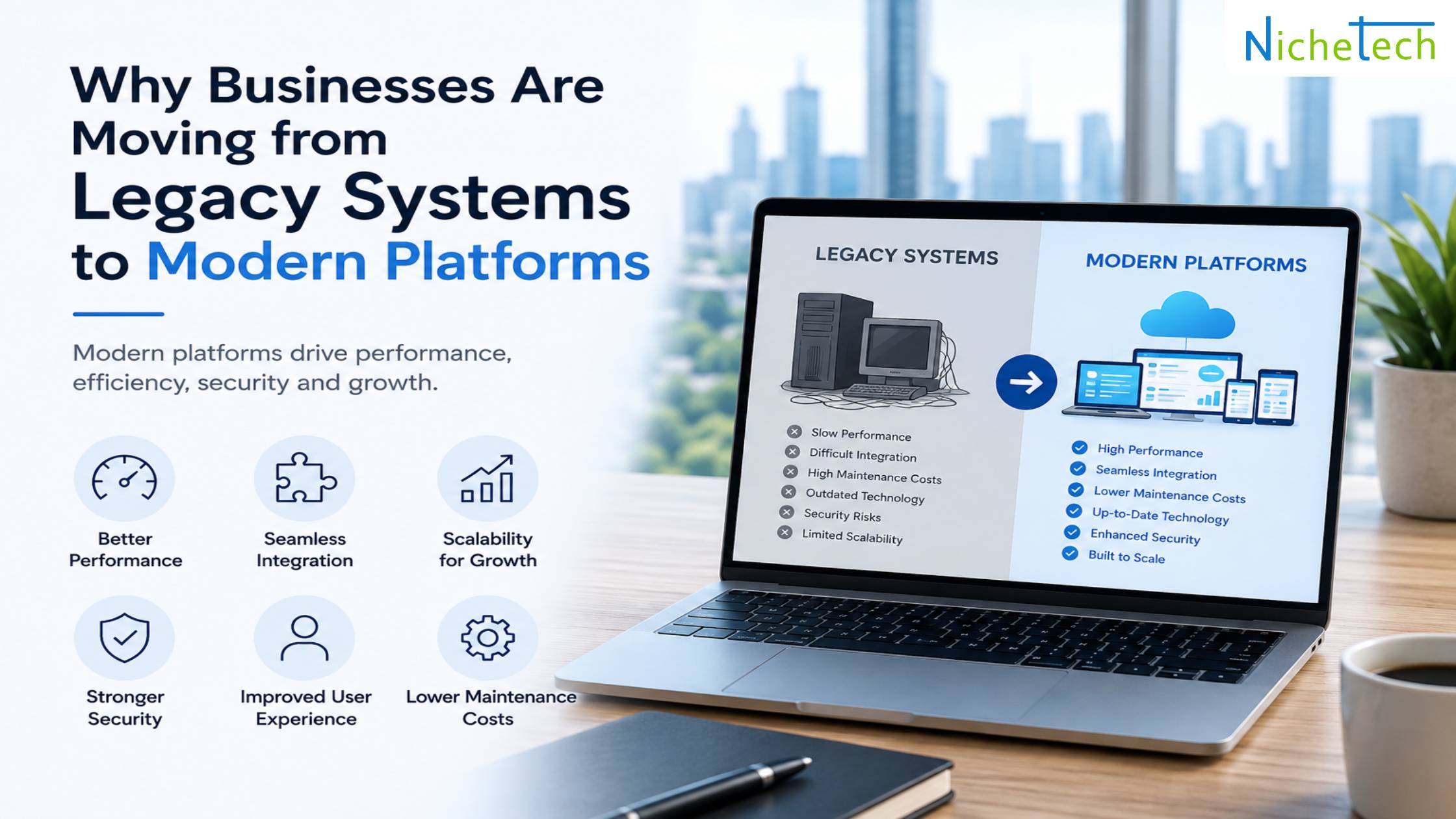
Technology has become deeply connected to the way businesses operate. From managing customers and employees to processing transactions, tracking operations and analysing business data, software now supports almost every part of an organisation.
But many businesses are still relying on systems that were built years ago. These legacy platforms may have worked well when they were first introduced, but changing business requirements can gradually expose their limitations.
Slow performance, difficult integrations, outdated interfaces and expensive maintenance can make it harder for companies to grow.
As a result, more businesses are considering modern platforms that offer greater flexibility, scalability, connectivity and long-term value.
What Is a Legacy System?
A legacy system is an older software application, platform or technology infrastructure that a business continues to use for important operations.
Being old does not automatically mean a system is ineffective. Some legacy applications can continue to perform their core functions for many years.
The challenge arises when the system becomes difficult to modify, integrate, maintain or scale.
Businesses may start noticing warning signs such as slow performance, frequent technical issues, limited integration options, outdated interfaces, manual processes or dependence on specialised technical knowledge.
Rising Maintenance Costs
One of the biggest challenges associated with legacy technology is ongoing maintenance.
Older applications may depend on outdated frameworks, programming languages, databases or infrastructure. Finding developers with experience in these technologies can also become increasingly difficult.
Even a relatively small change may require significant development effort because older systems are often tightly connected to other processes.
Instead of continually spending resources on maintaining an ageing platform, businesses can evaluate whether modernising the system would provide better long-term value.
Modern Integration Has Become Essential
Businesses rarely operate through one application anymore. A typical organisation may use CRM software, accounting platforms, payment gateways, cloud services and internal business systems.
Legacy applications may struggle to communicate with these newer technologies. Modern platforms can be designed with APIs and integration capabilities that allow information to move between systems more efficiently.
This can reduce duplicate data entry, improve workflow visibility and help different departments work with more consistent information.
Manual Processes Create Unnecessary Work
Legacy systems are often accompanied by spreadsheets, emails, paper records and manual approval processes.
Employees may need to enter the same information into multiple systems or manually transfer data between departments. Over time, these activities can consume valuable working hours and increase the possibility of errors.
Modern platforms can automate repetitive workflows and connect different stages of a business process.
For example, information entered by a sales team could automatically become available to customer service or operations teams without requiring employees to transfer it manually.
User Experience Matters for Employees and Customers
Software is only useful when people can use it effectively. Older applications may have complicated interfaces that require employees to follow unnecessary steps to complete routine tasks. Poor usability can lead to frustration, slower adoption and increased training requirements.
Modern platforms typically place greater emphasis on intuitive navigation, responsive interfaces, accessibility and streamlined workflows.
A better user experience can help employees work more efficiently while also creating a smoother experience for customers.
Businesses Need Platforms That Can Scale
A system that worked for a small business may not be suitable once the company starts handling more customers, employees, locations, transactions or data.
Growth can expose limitations in database capacity, application performance, infrastructure and workflow design.
Modern platforms can be developed with scalability in mind. Cloud infrastructure, modular architecture and flexible application design can make it easier to support increasing workloads without rebuilding the entire system.
Security Requirements Continue to Evolve
Cybersecurity is another important consideration when evaluating older technology.
Legacy systems may depend on unsupported software components or outdated security practices. Updating them can sometimes be difficult because changes to one component may affect other parts of the application.
Modern applications can incorporate current security practices such as secure authentication, role-based access and controlled data access.
For businesses handling sensitive customer or operational information, modernisation can therefore become part of a broader technology and security strategy.
Better Access to Business Data
Businesses need reliable information to make good decisions. When data is spread across disconnected and databases, management may struggle to get a complete picture of business performance.
Modern platforms can connect data sources and provide centralised dashboards, reporting, and analytics.
This makes it easier for decision-makers to understand what is happening across the organisation and respond more quickly when problems or opportunities arise.
Cloud Technology Is Supporting Modernisation
Cloud technology has become an important part of modern application development and system modernisation.
Businesses can use cloud infrastructure to support flexible computing resources, remote access, scalability and integration with other services.
Cloud-based modernisation can be particularly useful for organisations that need to support distributed teams or gradually move away from traditional on-premise infrastructure.
However, cloud migration should always be based on business requirements rather than simply following a technology trend.
Mobile Access Is Becoming More Important
Employees are increasingly working from different locations, while customers expect businesses to provide convenient digital experiences across devices.
Older systems that were designed primarily for desktop environments may not provide the flexibility required today.
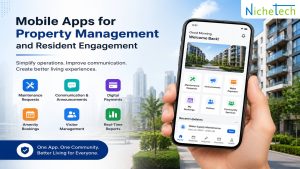
Modern platforms can support responsive web experiences and mobile applications, allowing employees and customers to access important information wherever they are.
This can be particularly useful for sales teams, field employees and businesses with distributed operations.
Modernisation Does Not Mean Starting From Zero
One common misconception is that moving away from a legacy system requires replacing everything at once.
In reality, businesses can take several approaches depending on their technology environment and objectives.
They may modernise specific components, integrate existing systems with newer applications, migrate selected workloads to the cloud or gradually replace outdated functionality.
A phased approach can reduce disruption and allow businesses to prioritise the areas that offer the greatest operational value.
Custom Platforms for Unique Business Requirements
Not every business operates in the same way. Off-the-shelf software can work well for standard requirements, but companies with specialised workflows may find themselves constantly adapting their processes to fit the software.
This is where Custom Web Applications can provide greater flexibility. A custom platform can be designed around a company’s workflows, user requirements, integrations and future goals.
Instead of forcing the business to work around software limitations, the technology can be developed to support the way the organisation actually operates.
API Integration Makes Modernisation More Practical
Businesses do not always need to replace every existing system. With the right API Integration, older applications can sometimes be connected with modern platforms, allowing businesses to preserve valuable existing data and functionality while introducing newer capabilities.
This can provide a practical path toward modernisation without requiring an immediate complete system replacement.
The right approach depends on the condition of the existing system, business priorities, security requirements and long-term technology goals.
Automation Can Improve Operational Efficiency
Modern platforms also make it easier to automate repetitive business activities. Businesses can automate tasks such as approvals, notifications, reporting and workflow assignments.
Reducing manual work can help employees focus on higher-value activities while improving consistency across everyday operations.
For organisations with complex workflows, automation can become an important part of the overall modernisation strategy.
AI Is Becoming Part of Modern Business Platforms
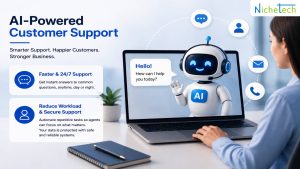
Artificial intelligence is increasingly being incorporated into business applications for customer support, data analysis, workflow automation and decision support.
Legacy applications may not have the architecture or integration capabilities needed to adopt these technologies easily.
Modern platforms can be designed with API and flexible architectures that make it easier to introduce AI capabilities where they provide genuine business value.
The goal should not be to add AI simply because it is popular. Businesses should first identify processes where intelligent technology can solve a meaningful problem.
How to Plan a Successful Modernisation
Moving from a legacy system to a modern platform requires careful planning.
Before selecting a technology approach, businesses should evaluate:
- Current system limitations
- Business and user requirements
- Existing integrations
- Data migration requirements
- Security considerations
- Budget and resources
- Expected business outcomes
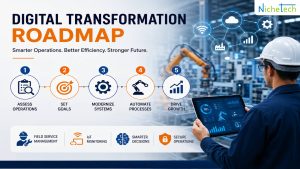
A clear roadmap can help reduce unnecessary development and minimise disruption during the transition.
Choose the Right Modernisation Approach
There is no universal solution for every organisation. Some businesses may benefit from upgrading their existing application, while others may need a new platform, cloud migration or a combination of approaches.
The right decision depends on the age and condition of the existing system, technical limitations, business goals and future growth plans.
Working with an experienced development team can help businesses evaluate these factors and choose an approach that balances cost, risk and long-term value.
Modern Platforms Create a Stronger Technology Foundation
Modernisation is not simply about replacing old software with new software.
The real objective is to create a technology environment that supports business growth, improves operational efficiency and makes it easier to respond to future requirements.
A well-designed platform can give businesses the flexibility to introduce new features, integrate emerging technologies and adapt workflows as the organisation evolves.
Final Thoughts
Legacy systems can continue to provide value, but maintaining outdated technology indefinitely can eventually create limitations around performance, security, integration, scalability and innovation.
Modern platforms give businesses an opportunity to address these limitations while creating a stronger foundation for future growth.
Whether the right approach involves Custom Web Applications, API integration, cloud modernisation, application upgrades, or a complete platform transformation, the focus should always remain on solving real business challenges.
With a well-planned Digital Transformation strategy, businesses can modernise at a manageable pace, improve their operations, and build technology that is ready for what comes next.
FAQs
1. Why are businesses moving away from legacy systems?
Common reasons include high maintenance costs, limited integrations, outdated security and difficulty supporting business growth.
2. Does modernisation require replacing the entire legacy system?
No. Businesses can modernise specific components, integrate existing systems with newer platforms or replace the system in phases.
3. How can Custom Web Applications help businesses?
They can be designed around specific workflows, user requirements, integrations and business goals, giving organisations greater flexibility than many generic software products.
4. Can legacy systems be connected to modern applications?
Yes. Depending on the technology involved, APIs and other integration methods can connect older systems with modern applications and cloud platforms.
5. How does cloud technology support system modernisation?
Cloud technology can provide scalable infrastructure, remote accessibility, flexible resources and opportunities to modernise applications and improve system performance.
6. How should a business begin its modernisation journey?
Start by identifying the limitations of the existing system, defining business objectives, reviewing technical requirements and creating a phased roadmap.